How to Prepare a Puppy for Its First Grooming and Vet Visits
3 min read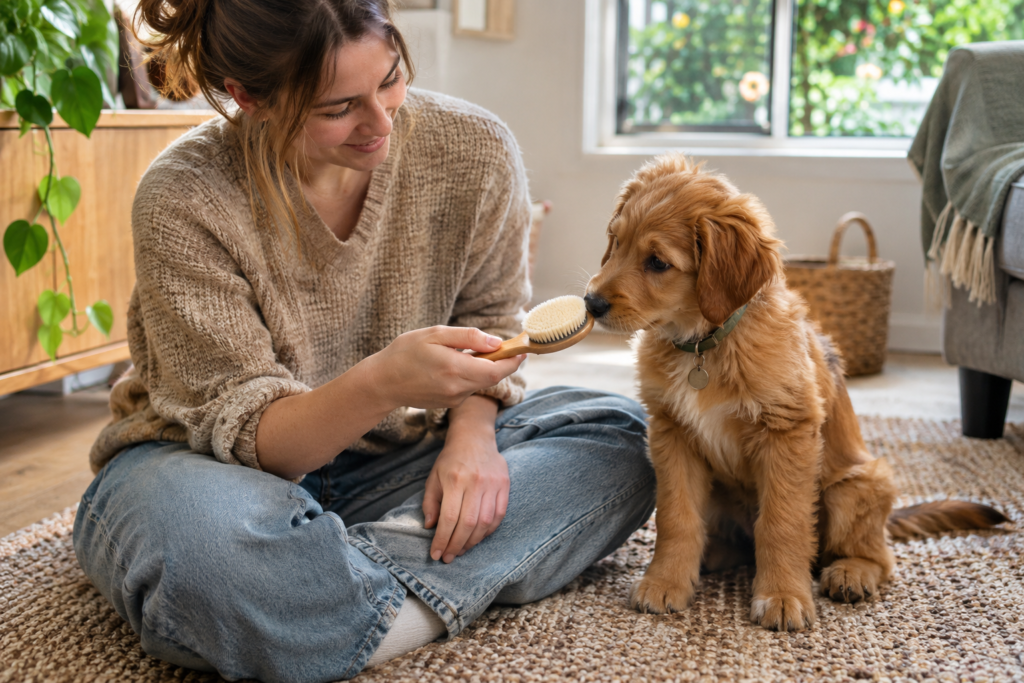
A puppy’s first dog grooming appointment can involve several unfamiliar things at once, from being handled by a stranger to hearing a dryer switch on. Brief, gentle practice at home can make some of those sensations more familiar. Early vet visits give owners a chance to check which dog vaccination appointments are due and ask when a visit to a shared grooming salon would be appropriate. Once the timing is clear, owners can focus on helping the puppy get comfortable with the small things it will encounter at both appointments.
Practise one small thing at a time
A first practice session can be as simple as letting the puppy sniff a brush, giving it a reward and putting the brush away. At another quiet moment, the owner might make one gentle stroke over the puppy’s shoulder and see how it responds. A puppy that stays loose and chooses to remain close may be ready for another stroke. If it moves away or stiffens, the owner can pause and make the next attempt shorter.
The same approach helps with ordinary handling. Briefly touching a paw or gently lifting an ear can make those movements more familiar before a groomer or vet needs to examine them. Each exercise can happen on its own, when the puppy is settled and free to move away. A few calm moments spread across the week are easier to fit into the household routine than a long session that asks the puppy to brush up on several new experiences at once.
Confirm what each appointment will involve
At the first vet visit, a record from the breeder, rescue group or previous clinic gives the vet a starting point for reviewing the puppy’s vaccine history. Owners can ask when the next dose is due and which outings are appropriate in the meantime. If a grooming salon, puppy class or boarding facility has its own entry requirements, the owner can share those details with the vet and check what paperwork the venue needs. The clinic can advise based on the puppy’s history and local exposure risks.
When booking the groom, it helps to mention the puppy’s age, coat type and experience with brushing or bathing. Some puppies may start with a short introduction, while others may already need help with a coat that tangles easily. Asking what the first visit includes gives the owner a clearer idea of how long it will take and what to practise beforehand. If the puppy is particularly uncomfortable having its feet or face handled, the groomer can factor that into the appointment.
Make arrival and handover predictable
The busiest part of an appointment can be the few minutes around arrival. An owner can call ahead to ask where to wait, especially if the puppy is unsettled around other dogs. Having the vaccination record ready on a phone or in a folder keeps it handy at check-in. If the clinic or salon allows treats, bringing a familiar reward gives staff something the puppy already knows.
A quick handover can be more useful than a long account of the puppy’s behaviour. Telling the groomer that the puppy tolerates brushing on its back but pulls away when its front paws are touched gives them a specific detail to work with. At collection, owners can ask which parts of the visit went smoothly and what would be worth practising before the next booking. The answer may be as simple as spending a few more days getting the puppy comfortable with the brush near its legs.
Short practice sessions, a clear vaccination record and a simple plan for arrival can help owners prepare a puppy for its first appointments. Each visit also gives the owner a clearer picture of what the puppy is comfortable with and where it needs more time.